



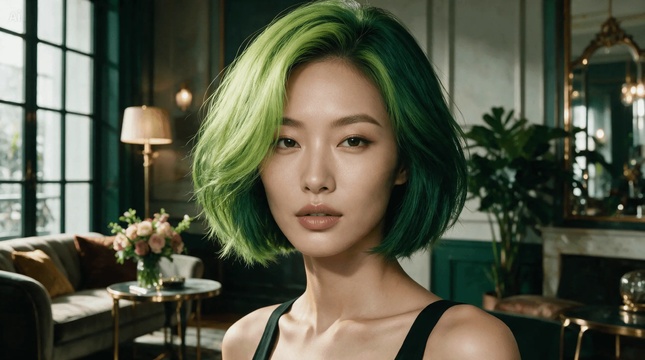
Photo and video editing now sits right at the heart of how people talk to each other online. A holiday snap rarely goes up untouched these days. Creators, photographers and ordinary phone users all play with visual effects to show a bit of personality and build a look that feels like their own. Unusual hair colors have caught plenty of attention along the way, mostly because they can change someone’s whole appearance while the real hair stays exactly as it was. Green is a particular favorite. It opens the door to daring looks, sci-fi characters and offbeat fashion, and nobody has to spend a weekend scrubbing green stains off the bathroom tiles.
Behind these filters sits image-processing technology that recolors the hair while leaving the rest of the face more or less as it is. Understanding the basics helps people produce edits that look believable and make smarter choices about what they share. A good edit gets a second look. A bad one gets a laugh.
Understanding Digital Hair Color Filters
Put simply, a digital hair color filter is an effect that recolors the hair someone sees in a picture or clip. Nobody needs dye, gloves or a towel they don’t mind ruining. The software finds where the hair is and changes its shade through digital processing instead. Some tools let people flick through several shades, turn the intensity up or down, or drop a chosen color straight on with hardly any manual fiddling.
Green makes a surprisingly rich choice, since it stretches from soft pastels to eye-catching neon and deep forest tones. A pale mint can look gentle and quietly artistic, the sort of shade that suits a sketchbook and a sunny window seat. Louder greens tend to call up fantasy heroes, gaming culture and fashion that enjoys taking risks.
These effects make it easy to test a creative idea before anything changes in real life. They’re also a low-pressure way in for anyone curious about an unusual look who isn’t ready to buy a tub of dye or sit in a salon chair for three hours.
How Hair Color Effects Work
Today’s editing apps usually lean on artificial intelligence, face analysis and image segmentation to work out what’s what in a picture. Segmentation is the part that pulls the subject apart from everything around them. That lets the software change only the chosen areas, rather than tinting the whole photo green like an old horror film poster.
With hair, the job is to separate every strand, edge and overlapping section from the face, the clothes and whatever sits behind. Once the hair has been picked out, the software shifts its color while trying to keep the texture, the highlights, the shadows and the natural changes in brightness intact. That’s the difference between hair that looks real and hair that looks like a plastic wig.
How good the result looks comes down to a handful of things: the image resolution, the lighting, the hair texture and how accurate the detection is. Tight curls, stray wisps and bright light coming from behind can all make clean selection harder. A selfie against a sunset is a classic troublemaker. Clear pictures in decent light usually give far more convincing results.
Creative Uses in Photography and Social Media
These effects do more than make people laugh at a group photo. Content creators turn to them for themed posts and portraits inspired by characters, or to keep a steady visual style running through a whole series of images. Designers find them handy too, whether they’re putting together concept art, mood boards or early fashion presentations. A quick green edit can tell a client far more than a paragraph of description ever could.
Green hair fits neatly with environmental themes, science fiction, fantasy artwork and seasonal projects, from a spring campaign to a spooky Halloween shoot. In short clips, a sudden switch of color can double as a slick transition. It’s the moment that makes viewers stop scrolling.
Anyone weighing up these options can play around with a green hair filter to see how an unconventional color might look in a digital portrait. It’s a handy way to compare visual directions before settling on one design or look. Trying five shades on screen is a lot cheaper than trying one in real life.
Tips for Creating Realistic Green Hair Edits
A natural-looking result rests on two things above all: the photo itself and the shade picked for it. A handful of practical habits can lift the final image noticeably.
-
Choose clear photographs: Pictures where the hair is easy to see and the light is even give the software a much easier job of finding the right area. A blurry party shot rarely ends well.
-
Consider the shade: A bright green makes a loud, dramatic statement, while a muted green looks softer and sits more comfortably in everyday portrait ideas. One suits a festival poster. The other suits a profile picture.
-
Preserve natural texture: Real hair is full of highlights, shadows and separate strands. With those details left in, the green looks like hair rather than a flat sheet of paint.
-
Check the hairline: Tiny slips around the forehead, the ears and stray strands can give away an edit that otherwise looks spot on. A green smudge on the skin is usually the first thing a sharp-eyed friend notices.
-
Review the background: Whatever sits behind someone can change how green hair comes across. Plain, neutral surroundings make the chosen shade far easier to judge than a leafy park would.
The same habits apply to a quick post, a private experiment or a client project. Small checks now save awkward comments later.
Limitations of Virtual Hair Color
Filters are a handy way to try on different looks, but they can’t promise how real dye will turn out. That depends on the starting shade, the hair’s condition, the dye formula, the lighting and how it’s applied. The screen can happily show a vivid green that real hair would only reach after bleach or other chemical treatments. The bathroom sink tells a different story.
Complicated hairstyles, see-through hair accessories, motion blur and grainy, low-resolution images can all trip filters up as well. The results are best seen as creative previews, not exact pictures of what real hair will do. A clear hair clip can be enough to throw the software off.
Privacy deserves a thought too when personal photos are edited online. Before anything gets uploaded, it makes sense for users to read the privacy policy and find out what happens to their files, including whether they’re kept or deleted. Nobody likes wondering where a photo ended up.
Conclusion
Creative experimenting has never been easier, and green hair effects prove it. Pairing color adjustment with automatic hair detection, today’s tools let people try out unusual styles without changing a single thing about how they actually look. Portrait photographers, social media creators, character designers and anyone researching a new personal style all get something out of them. Someone can be forest green on Monday and back to brown by Tuesday.
Great results rely on decent light, precise hair selection, a well-chosen shade and a close look at the small details. Used with sensible expectations, digital hair filters make exploring visual ideas practical, and the door stays open to every other style and direction. Nothing is permanent, and that’s half the fun.