



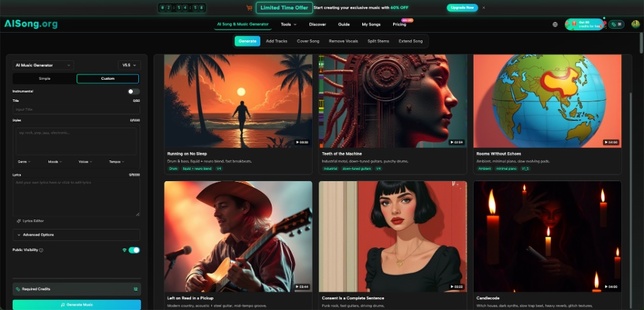
A short interview is edited, the images are ready, and the story has a clear beginning and ending. Then the producer reaches the music stage and discovers that none of the available tracks feels connected to the subject. This is common for regional media, independent video channels, cultural organisations, and small production teams. They often need music that supports a specific place, voice, or atmosphere without overwhelming the story. A platform such as AI Song offers a way to explore original musical directions from written descriptions. The useful question is not whether AI can imitate every local tradition. It is how creators can use it responsibly to build a draft soundtrack, test emotion, and keep human cultural judgment in control.
Begin With the Story’s Emotional Movement
Media creators sometimes choose music by searching for a single mood: happy, sad, dramatic, or relaxing. A stronger approach is to map how the feeling changes during the piece.
Consider a three-minute profile of a young craftsperson. The opening may need curiosity, the middle may become energetic as the work is shown, and the ending may feel reflective. One unchanging track could flatten that movement. A better brief describes the progression: restrained at first, more rhythmic during the activity, then warm and spacious at the end.
Write this emotional map before naming instruments or genres. It helps the music serve the edit and gives producers, editors, and clients a shared reference.
Translate Visual Details Into Musical Instructions
A good prompt should connect what viewers see with what they should feel. Instead of requesting “island music” or another broad regional label, describe the actual scene. Is the camera moving through a busy market, resting on a quiet coastline, following dancers, or showing archival photographs?
“Bright rhythmic music for fast cuts of a morning market, then a softer ending over portraits” is more useful than a cultural stereotype because it defines pace, structure, and emotion.
AISong’s main workflow asks users to describe style, mood, and genre. Its guide also offers Simple Mode for a plain-language idea and Custom Mode for greater control over lyrics and structure. These options support quick experiments or more deliberate pieces, but the brief still depends on the creator’s understanding of the story.
Create Three Soundtrack Directions for One Edit
When a team is uncertain, generate contrasting directions. Do not create ten unrelated tracks and hope that one solves the problem.
-
The Observational Direction
This version should remain behind the images and speech. Ask for restrained instrumental music, a steady pace, and limited dramatic changes. It may suit interviews, community reports, or documentary scenes where the viewer should focus on people rather than production style.
Test whether the track leaves space for natural sound. Footsteps, waves, machinery, or audience reactions can carry meaning that music should not erase.
-
The Energetic Direction
This option can support event recaps, youth culture stories, sports clips, or quick social edits. Describe the speed of the cuts, the desired energy, and where the music should rise.
Energy does not require maximum volume. A clear rhythm and purposeful build often work better, while leaving room for titles and spoken quotes.
-
The Reflective Direction
A reflective track may work for portraits, heritage stories, memorial pieces, or closing sequences. Ask for a gentle opening, emotional restraint, and an ending that resolves without becoming overly sentimental.
Review this version with people close to the subject. What moves an editor may feel clichéd to the community represented.
Use Lyrics Only When the Words Add Information
Vocals can make a media piece memorable, but they compete directly with dialogue. For most interviews and reports, instrumental music is the safer choice. Lyrics are more suitable for opening titles, music-focused features, campaign videos, or short pieces where the song itself carries the message.
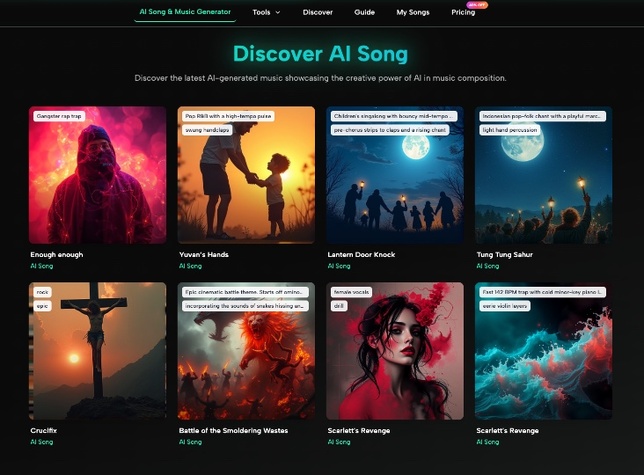
With the AI Music Generator, users can begin from descriptions or work in a more controlled mode with their own lyrics and structural labels. AISong’s guide mentions tags such as [Verse], [Chorus], and [Bridge], which can help organise supplied words.
When using lyrics, review every line. Generated language may introduce facts or emotional claims the subject never approved. Do not place invented statements in a community’s voice.
For multilingual work, the platform states that several languages are supported. Even so, a fluent speaker should review grammar, pronunciation, tone, and regional usage before publication. Correct words can still sound unnatural when they ignore local expression.

Protect Cultural Specificity During AI Experimentation
Regional music is not a single prompt category. It contains histories, instruments, performance practices, religious meanings, and community ownership. A tool can generate a musical interpretation, but it cannot replace consultation with people who understand those contexts.
Separate production needs from cultural claims. You can request a warm rhythm or gradual build without saying the result represents an entire island or tradition.
When a project relies on a recognisable local style, involve musicians or cultural advisers. They can identify whether the rhythm, instruments, vocal approach, or visual pairing creates the wrong association. Their contribution may also turn a rough AI draft into a more authentic collaboration.
Credit human contributors clearly. Do not use AI as a reason to hide the work of performers, translators, researchers, or community partners.
Test Music Inside the Real Distribution Format
A soundtrack that works on studio headphones may fail on a phone speaker, so playback context matters.
Place the track under the voice mix. Watch once with headphones and once through a phone or laptop speaker. Check whether speech remains understandable and whether important sounds survive compression.
Also test the first five seconds. Social viewers may decide quickly whether to continue. The opening should establish tone without using an abrupt musical hit that feels disconnected from the story.
For longer pieces, watch for repetition. Shorten or replace the track between sections when needed. The purpose is not to fill every silent second; a pause may create more attention.
Keep a Clear Record of Each Version
Media teams often lose time because exported files have names such as “new final 2.” Use a simple naming system that includes the project, mood, version number, and date.
Save the prompt beside the audio. Record why the team selected or rejected each option. Useful notes might say, “Good opening, but too busy under dialogue,” or “Strong ending, but the rhythm suggests a celebratory mood that does not fit the interview.”
AISong’s public workflow includes generating, downloading, and sharing music. An editorial record explains the human decisions and helps another editor continue without repeating experiments.
Know When the Story Needs a Musician
AI generation is most helpful for early exploration, low-risk drafts, internal comparisons, and projects with straightforward needs. A musician is the stronger choice when the music itself is the subject, when a local tradition must be represented accurately, or when live performance and detailed synchronization are central.
The two approaches can work together. A producer may generate rough directions, then commission a musician for the final piece. The draft becomes a conversation aid, not a substitute for cultural expertise.
This distinction keeps the technology useful without asking it to provide authority it does not have.
Conclusion
Original music can help a regional story feel more connected to its images, pace, and audience, but only when the soundtrack begins with the story rather than a generic style label. Map the emotional movement, translate real visual details into a clear prompt, compare a few distinct directions, and test every option under dialogue and on speakers. Use lyrics sparingly, involve fluent and culturally informed reviewers, and bring in musicians when authenticity or performance is central. Start with one finished edit that currently lacks the right music and create three controlled soundtrack drafts for comparison.